More about the play
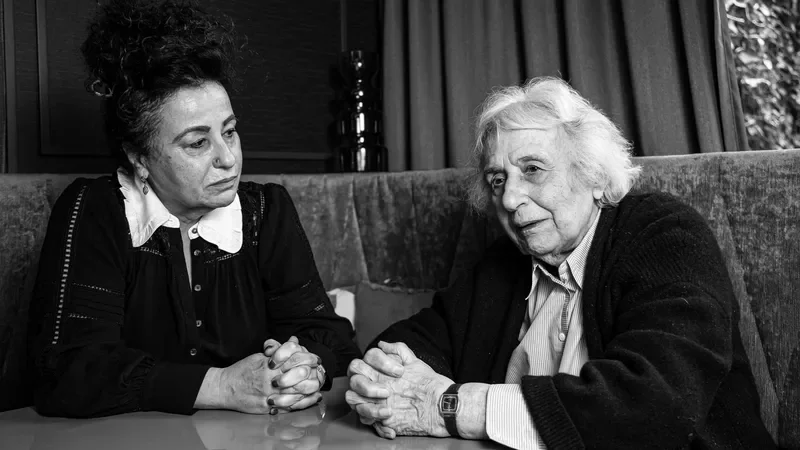
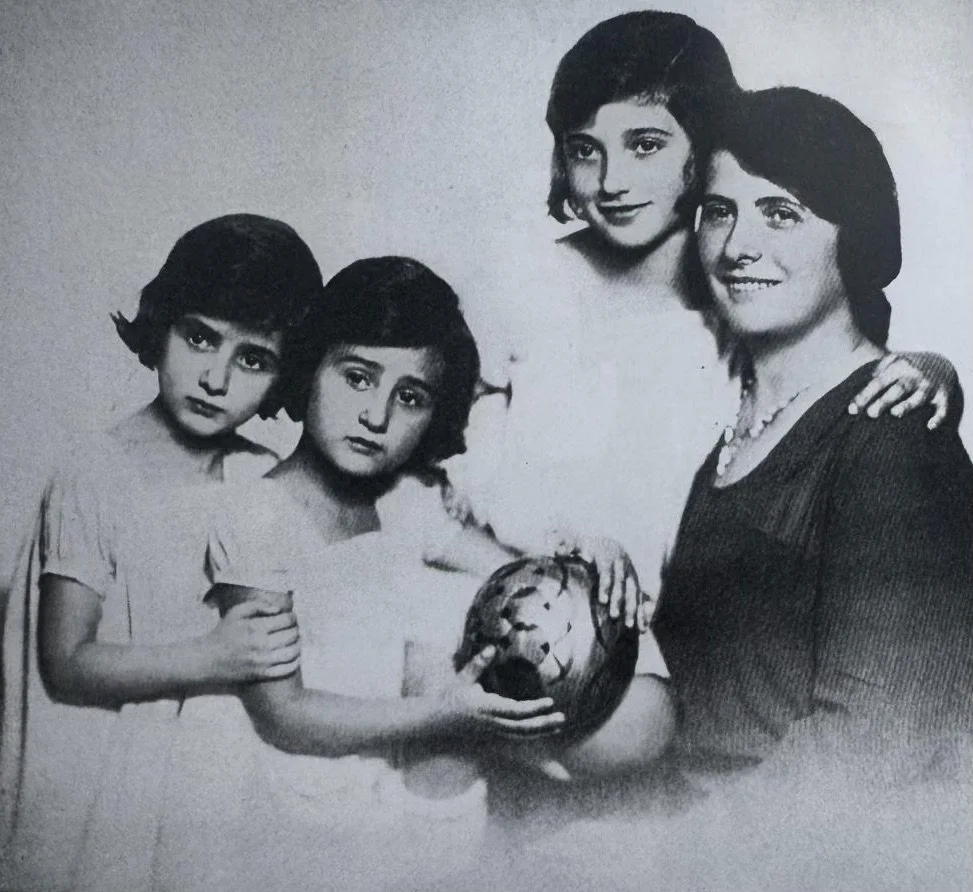
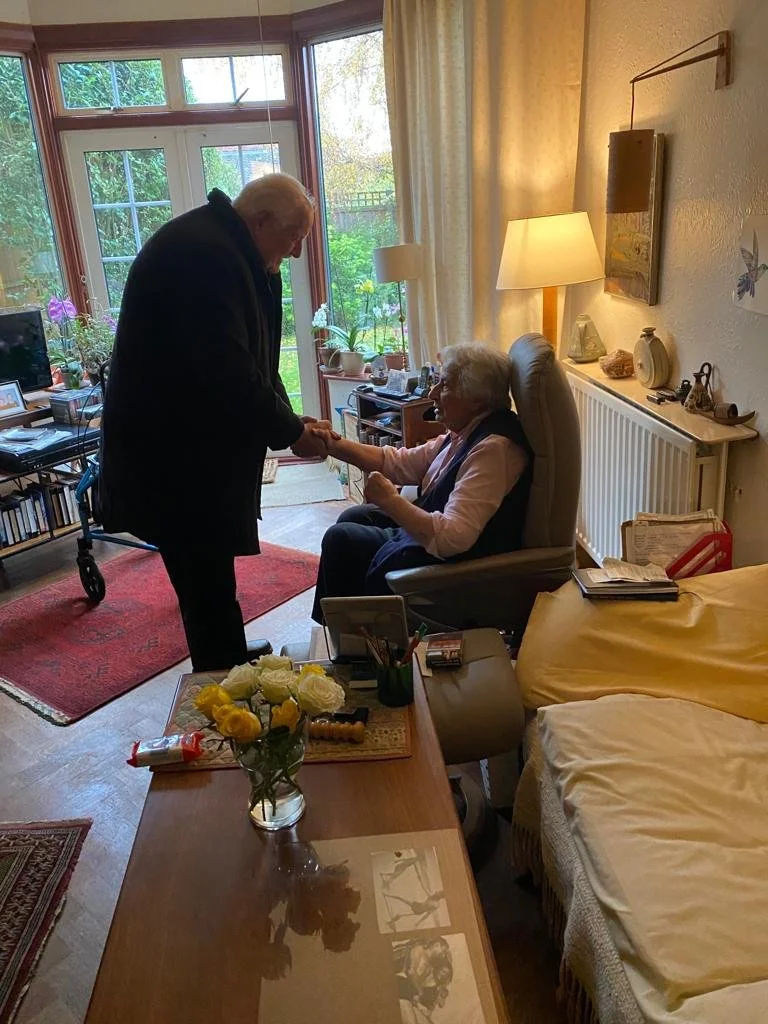
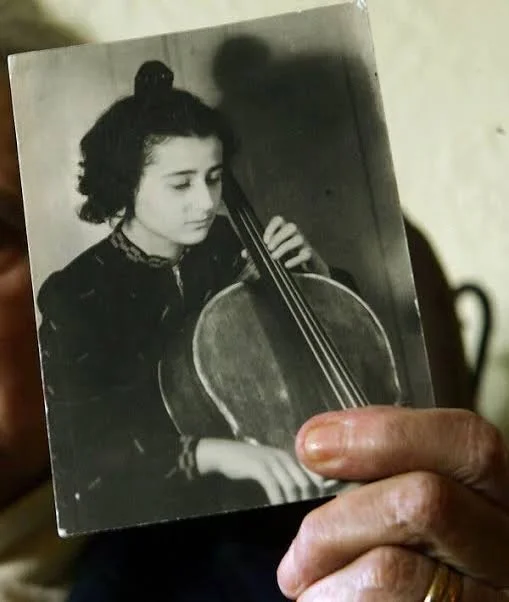
In 2020 Maya Lasker-Wallfisch (daughter of Anita Lasker-Wallfisch) invited Hans Jurgen Höss (son of Rudolph Höss) to her mother’s home in London. In 1943 at the age of eighteen Anita Lasker-Wallfisch was taken prisoner in Auschwitz. Upon her intake into the camp she stated that her profession was a cellist, and survived her time there because she was assigned to play the cello in the camp orchestra. After surviving a year in Auschwitz Birkenau she and her sister Renate were transported to Bergen-Belsen, and were then liberated on the 15th of April, 1945. What would make a daughter invite the son of the commandant of Auschwitz to visit her survivor mother in London for coffee and cake? The invitation that Maya extended, and indeed the play, is not only about the meeting of two worlds, but is also an invitation into memory; an invitation to confront inheritance; an invitation to listen to another persons history however difficult that may be; an invitation to enter conversations that seem impossible. What does it mean to inherit history that cannot be changed? Is reconciliation between people on opposite sides of history possible? Is reconciliation the goal? As playwrights, Maya Lasker-Wallfisch and Stella Kammel wanted to create a work that could hold more than one perspective, more than one time frame, and more than one truth. Theatre offers that possibility. It allows the past and present to exist along side one another, and it allows the audience to become part of the encounter rather then simply observing it.
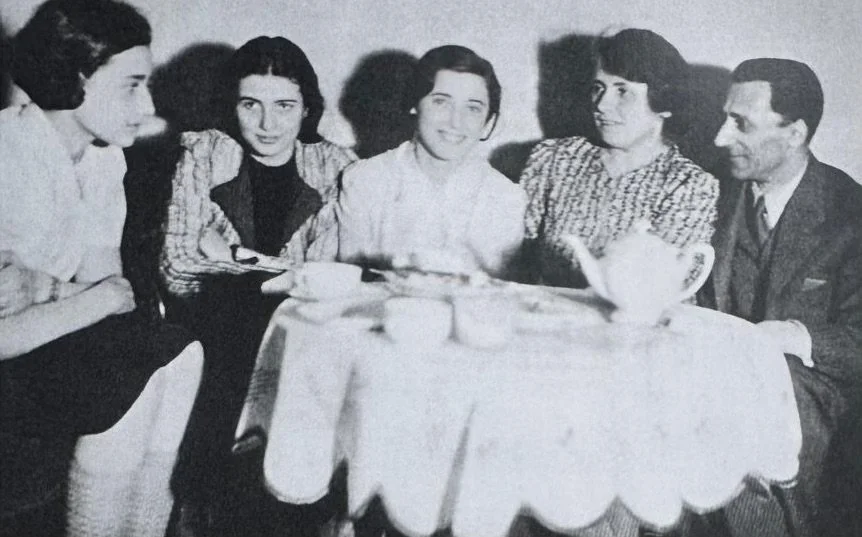
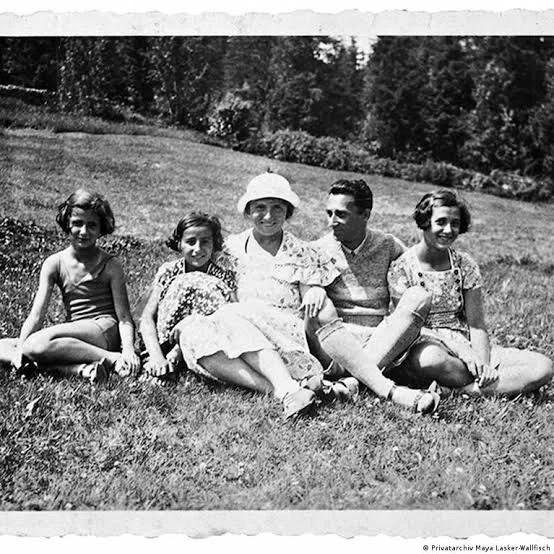
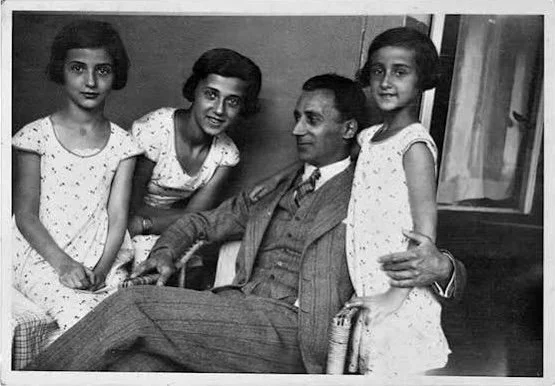
The plot of THE INVITATION moves steadily towards an encounter between two people whose family histories could not be further apart, traveling along the way between cultures, time periods, and countries. We begin in 2023 within a fractured family home in London where Anita and Maya fight to unite despite the shockwaves of trauma, and transport to 1942 within the warm Lasker family home in Breslau prior to deportation. As we move between worlds, the play is deeply connected to the question of legacy. Anita’s story belongs to her, but her daughter has inherited the responsibility of carrying something of that story forward. Maya and Stella ask the question of not simply how we remember, but how we continue to make memory relevant to people who did not experience the Holocaust themselves.
Through THE INVITATION the audience are asked to enter into a challenging discourse about what we inherit, what we remember, what we are responsible for, and what we do when reconciliation is not possible.